
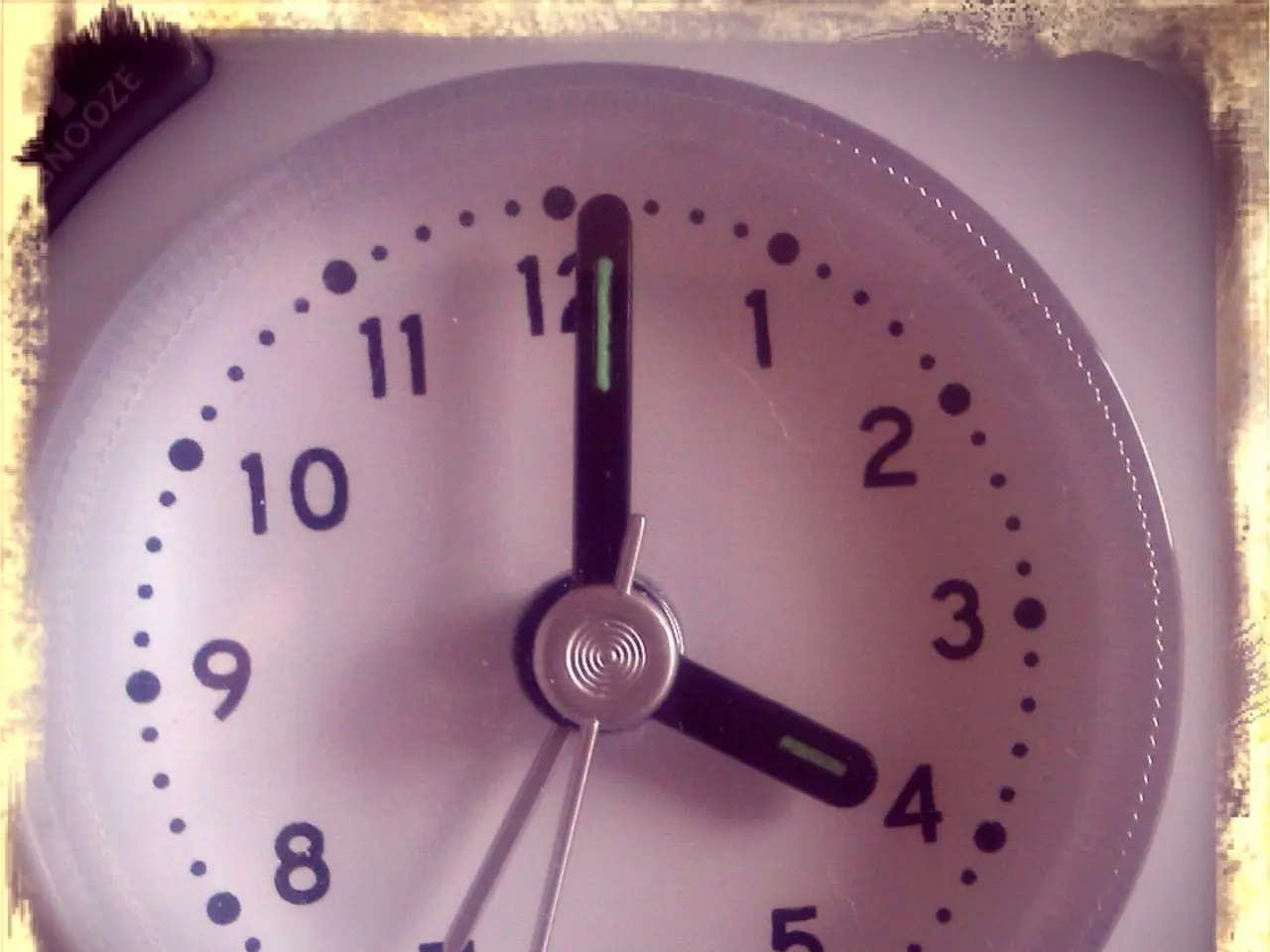
The Functioning of Timekeeping in the Olympics
The world of Olympic timing has undergone a remarkable transformation, evolving from manual stopwatches to sophisticated electronic and digital systems that ensure extreme precision and real-time data delivery.
Track and Athletics
The story of Olympic timing began just over a century ago. Manual stopwatches were the norm, but breakthroughs such as the use of electrical timing in 1912, chronographs in the 1920s, and the introduction of the quartz clock in 1952 marked significant milestones. Today, fully automatic timing systems dominate, using high-speed cameras and electronic sensors. These systems start timing automatically with the starting gun and capture finish times by scanning photo-finish images, allowing results to be recorded to the thousandth of a second.
Cycling
In the realm of cycling, companies like Omega pioneered lightweight transponder technology worn by riders that transmit time data to digital timing systems. This allows for millisecond precision and real-time recording and updates during races like the Tour de France. Omega's Speedmaster Chronograph, a precise mechanical watch, has also been symbolic and practical for timing key moments alongside digital methods.
Aquatics
Aquatics events employ touchpads in the pool lanes that swimmers hit at the finish to stop timing electronically, combined with underwater cameras and sensors to ensure accuracy. Electronic timing systems are integrated with starting blocks and relay takeovers to capture every aspect precisely.
Winter Olympic Sports
For Winter Olympic sports, timing systems vary by discipline but use highly accurate electronic timing, often combined with photo-finish technology or infrared sensors for events like skiing or speed skating. Sliding sports with ice tracks undergo homologation and precise timing to validate runs and ensure fairness. These systems are designed for millisecond accuracy, crucial in sports decided by tiny margins.
Innovations and Trends
The trend in Olympic timing technology is towards fully automatic electronic timing, eliminating human reaction error. Integration of sensors and transponders for real-time data transmission and verification is another key development. Photo-finish and high-speed camera systems are employed for accuracy in close finishes, and digital systems provide instant official results, improving transparency and spectator engagement.
Speed skaters wear lightweight transponders on their legs that can record their times and rankings in real time during the race. False-start fail-safes are used to preserve the accuracy of competitors' scores, as scientists have measured that an average human takes one-tenth of a second to react to a stimulus, such as the starting gun.
Milestones in Olympic Timing
Omega, currently a member of Swatch Group, was named the first official timekeeper of the Olympic Games in 1932. Infrared beams replaced photoelectric cells in sledding events for the 2002 Salt Lake City Olympics. Downhill skiing competitors begin their races at starting gates with Snowgate starting gates introduced in Vancouver. The Quantum Timer and Quantum Aquatics Timer, both measuring accuracy to one millionth of a second, were introduced for the 2012 London Olympics.
In conclusion, Olympic timing has moved from manual to integrated digital systems tailored to each sport's specific needs, ensuring fairness and precision down to thousandths of a second where necessary. The future of Olympic timing promises even more advanced technologies, ensuring the Games remain a testament to human achievement and the pursuit of excellence.
[1]: Omega Speedmaster Chronograph [2]: FIS Homologation
[1] The Omega Speedmaster Chronograph, a precise mechanical watch, has been symbolic and practical for timing key moments in various sports, such as cycling, alongside digital methods.
[2] FIS Homologation ensures that sliding sports with ice tracks undergo rigorous testing and precision timing adjustments to validate runs and maintain fairness in Winter Olympic sports.