Florida: New Feline Uncovers Another Computer Virus, Dubbed Pepper The Pet Cat
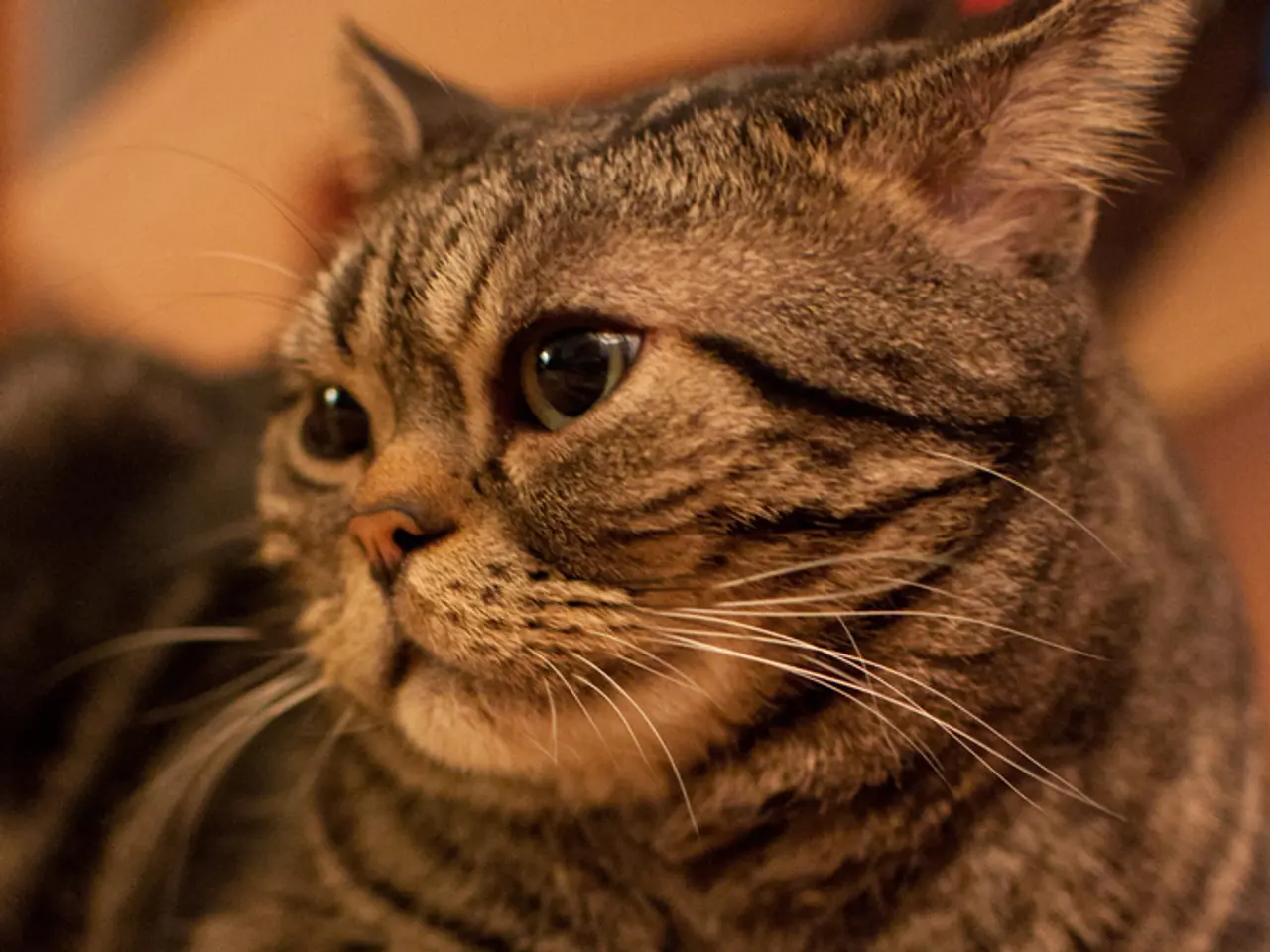
In a groundbreaking discovery, domestic cats are emerging as unexpected allies in the surveillance of potential zoonotic viruses, thanks to their natural hunting instincts and wide-ranging diet [1]. A recent study published in the journal Microbiology Resource Announcements has shed light on this intriguing phenomenon, with a Florida cat named Pepper playing a significant role [2].
Pepper, a University of Florida PhD candidate in One Health, Emily DeRuyter, explained more about mammalian orthoreoviruses in the study [1]. These viruses were originally considered 'orphan' viruses, but they have been implicated in respiratory, central nervous system, and gastrointestinal diseases [1]. The new strain of orthoreovirus discovered by Pepper was given the name "Gainesville shrew mammalian orthoreovirus type 3 strain UF-1" [2].
The discovery underscores the complex interplay between humans, animals, and the environment, and the importance of continued vigilance in monitoring wildlife for emerging diseases [2]. Cats, with their ability to inadvertently provide researchers with a steady stream of biological samples from creatures that scientists might not otherwise encounter, could become crucial partners in early detection of pathogens that could impact human health.
However, the extensive predation by domestic cats also raises significant conservation concerns. Over 16% of the species eaten by cats are of conservation concern, and cats have contributed to the extinction or decline of several bird and mammal species [1][2]. The same behaviours that make cats effective “biosamplers” can also exacerbate pressures on vulnerable wildlife populations, particularly in regions with high cat densities and where native species are already at risk.
This dual role—as both potential sentinels for emerging viruses and as threats to biodiversity—presents a paradox for conservation and public health. Balancing these roles requires integrated strategies that protect vulnerable species while harnessing the potential of cats to help detect emerging pathogens before they threaten human health.
The study was an opportunistic one, as the dead shrew was brought to Dr John Lednicky, a virologist at the University of Florida College of Public Health and Health Professions, by Pepper [2]. The research team is now calling for enhanced passive surveillance, responsible pet ownership practices, interdisciplinary collaboration, and continued research into the role of cats in the ecology of emerging viruses.
As we continue to grapple with the ongoing COVID-19 pandemic, understanding the role of domestic cats in zoonotic disease transmission is more important than ever. By harnessing their potential as biosurveillance tools, we can better protect human health while minimising the impact on wildlife conservation.
- The study, published in Microbiology Resource Announcements, underscores the significance of environmental-science, particularly in understanding the complex interplay between humans, animals, and the environment.
- Emily DeRuyter, a PhD candidate in One Health at the University of Florida, explained the role of mammalian orthoreoviruses in the study, which were initially considered 'orphan' viruses but have been linked to medical-conditions like respiratory, central nervous system, and gastrointestinal diseases.
- The discovery of a new strain of orthoreovirus by Pepper, a University of Florida cat, highlights the potential of cats as 'biosamplers' in public health, providing researchers with valuable biological samples from creatures they might not otherwise encounter, aiding in the early detection of pathogens that could impact human health.
- However, the extensive predation by domestic cats also poses challenges for environmental-science, as over 16% of the species eaten by cats are of conservation concern, with cats contributing to the extinction or decline of several bird and mammal species.
- As we navigate the ongoing COVID-19 pandemic, it is crucial to invest in research, strengthen interdisciplinary collaboration, and implement responsible pet ownership practices to harness the potential of cats as biosurveillance tools for zoonotic disease transmission, thereby balancing the need to protect human health and biodiversity.