An Affordable Android Tablet: The Freescale i.MX515 iPad Clone
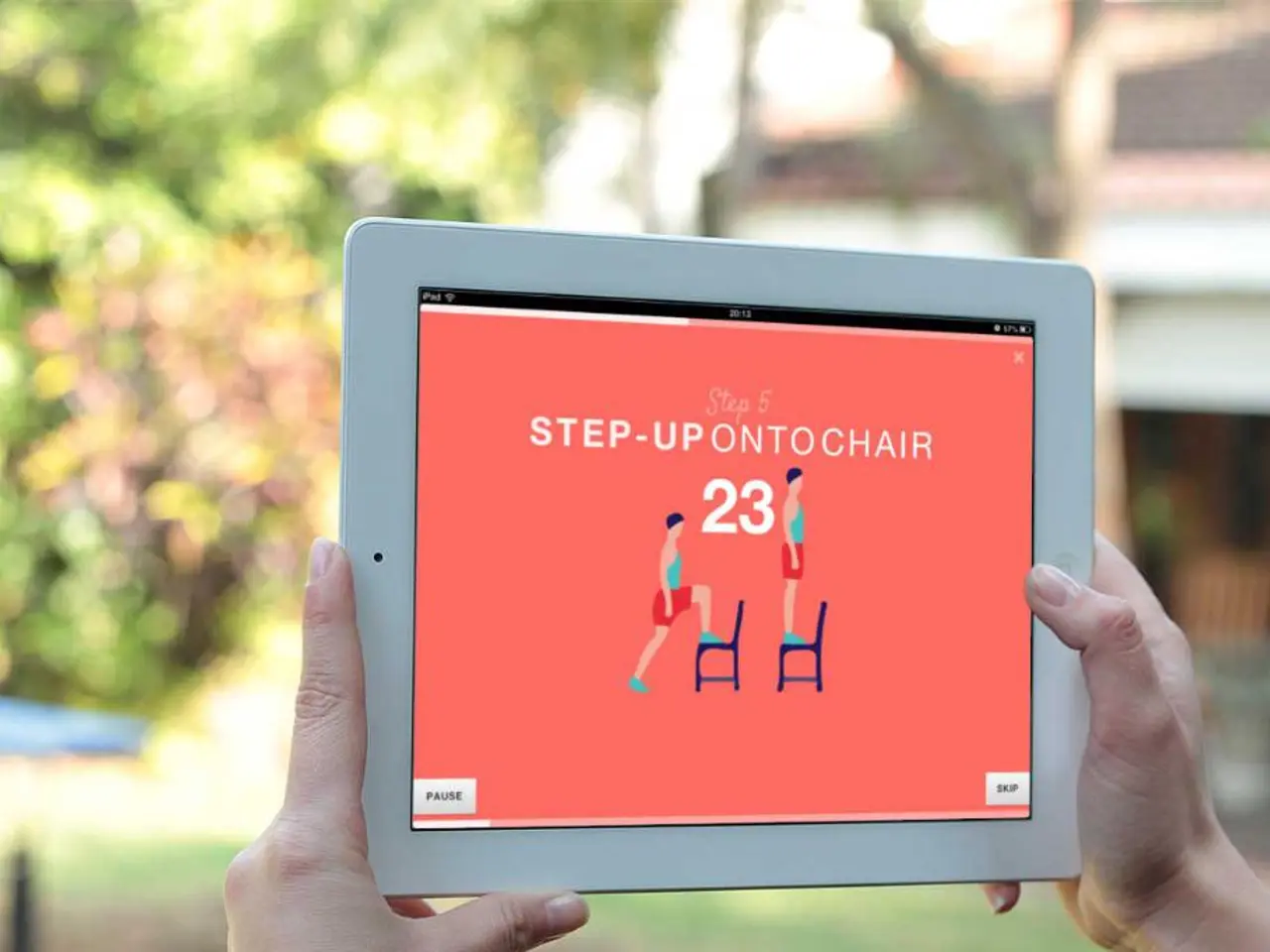
Android tablet running on Froyo operating system, mimicking the design of the iPad.
In the realm of technology, the demand for innovative devices is always high. One such intriguing development is the emergence of Android-running iPad clones, utilising the Freescale i.MX515 chip. These devices, primarily popular in the early 2010s, aimed to offer a more budget-friendly alternative to high-end tablets like Apple's iPad.
The Freescale i.MX515: A Multimedia Powerhouse
The i.MX515 is an ARM Cortex-A8 based processor, designed for multimedia applications with decent power efficiency and performance. It was widely used in tablets, automotive infotainment, and embedded systems during its time. The chip supports Android versions typically around 2.x to 4.x, depending on the custom ROM or manufacturer support.
Android Tablets Mimicking the iPad Form Factor
Some manufacturers, mainly in China and other emerging markets, released Android tablets that mimicked the look and general form factor of the iPad. These clones often used available SoCs like the Freescale i.MX515 due to their lower cost and reasonable multimedia capabilities. The goal was to offer relatively affordable tablets running Android OS but styled in a way to attract buyers familiar with high-end tablets like Apple’s iPad.
Pricing and Availability
At launch, such iPad-like tablets with i.MX515 chips were generally priced in the $150 to $300 USD range. Pricing varied based on factors like screen size and resolution, RAM and storage capacity, build quality, and included features (Wi-Fi only vs. cellular). Since these were often sold through non-official channels, pricing also depended on import tariffs and distributor markups.
These tablets were mainly available through online marketplaces (e.g., AliExpress, Taobao, eBay in earlier years) and local electronics markets in Asia. They usually had limited official warranty or support, and availability outside Asia was sparse and mostly limited to gray market imports.
Key Considerations
- Performance: The Cortex-A8 processor, while adequate for basic tasks, is no match for today's mobile processors in terms of heavy multitasking or modern apps.
- Software Updates: Android support was often outdated; many devices never officially got newer Android versions beyond 2.3 or 4.0.
- Build and Display Quality: Screen resolution and brightness varied; not always on par with official iPads.
- User Experience: Sometimes the "clone" branding implies poor customer support, possible software bugs, or quality control issues.
- Use Cases: Suitable for simple media consumption, light web browsing, or as a learning device rather than high-end productivity.
In conclusion, Android tablets built around the Freescale i.MX515 chip, styled as iPad clones, provided an affordable way to experience tablet computing a decade ago. They never matched Apple’s device in performance or polish but filled a niche for budget-conscious buyers seeking a touch device. These devices are largely obsolete today given advances in mobile SoCs and Android versions.
If you have a specific model or manufacturer in mind, I can help provide more tailored information!
E-readers, being compact gadgets, might struggle to rival the multimedia capabilities of the Freescale i.MX515 tablets, given their design for power efficiency and performance in multimedia applications.
In the realm of technology, alongside the rise of Android-running iPad clones, one might find these entry-level tablets classified among the various gadgets that emerged during the same period, offering an inexpensive alternative to high-end tablets like Apple's iPad.